Switching to Induction During a Kitchen Remodel: What to Check First
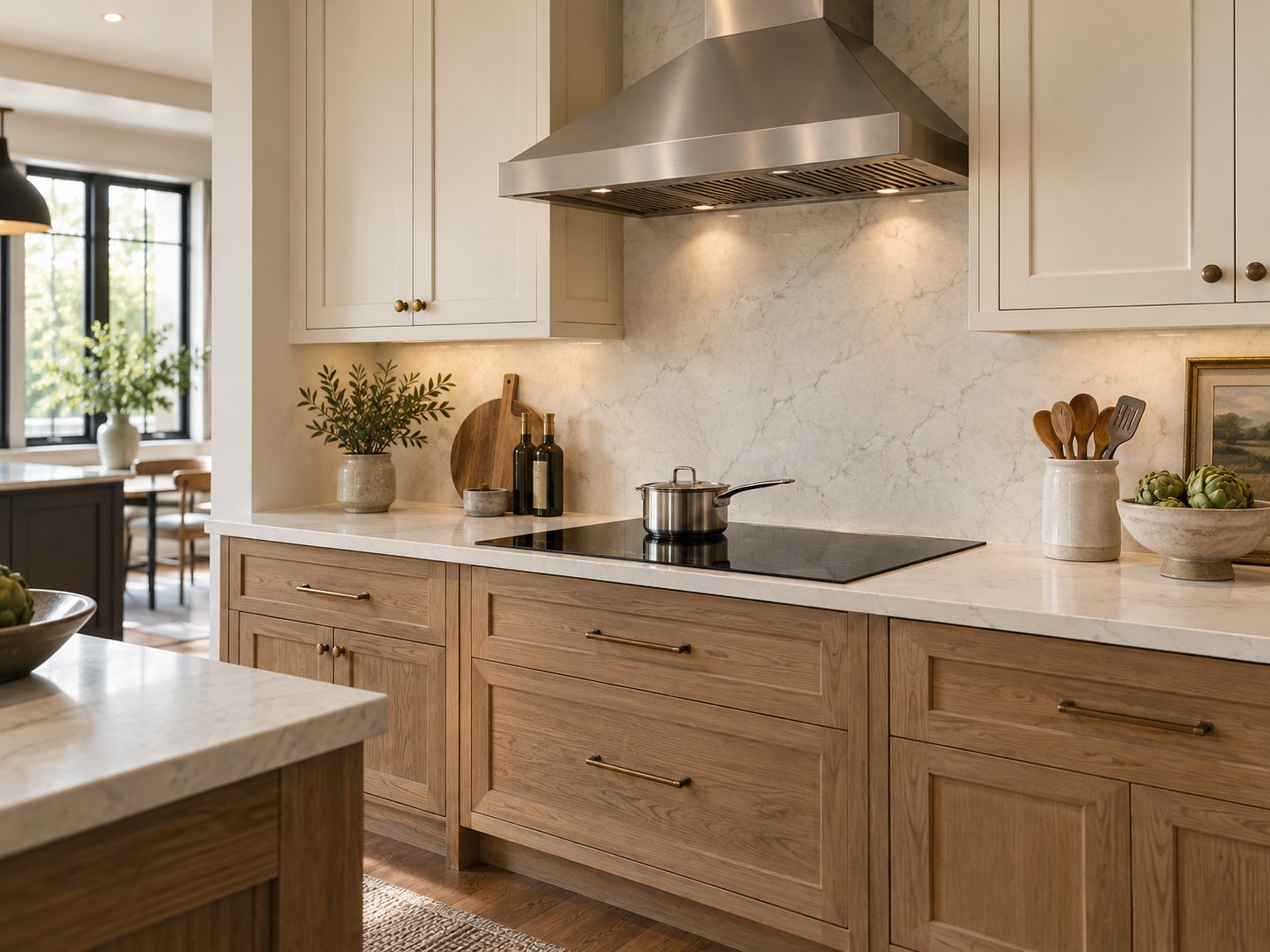
Before switching to induction, check the exact appliance, electrical supply, ventilation, cookware and counter cutout. A kitchen planning checklist.
Is switching from gas to induction a simple appliance swap?
Sometimes the surrounding kitchen needs very little change. In other homes, the electrical work, counter opening and ventilation plan are the real project. The best time to find out is before cabinetry and stone are ordered. For a kitchen renovation in the Chicago suburbs, treat the cooktop or range as an early design selection.
Short answer. Start an induction conversion with the exact appliance, its electrical requirements and the existing cabinet opening. Then check cookware, ventilation and the complete installation scope before comparing appliance prices.
Choose the actual appliance, not just its width
A nominal appliance width is not an installation drawing. Select a model and obtain its current installation instructions. The cabinet opening, countertop cutout, clearances, electrical connection and nearby materials all need to agree with that document.
Write the model number and revision date into the selection schedule. If the appliance changes later, recheck the cabinet and countertop drawings before approving the substitution. Two products described as the same size can require different installation details.
Have the electrical supply assessed early
Ask a qualified electrician to evaluate the selected appliance’s requirements and the existing service, panel capacity and circuit route. Do not infer that a panel upgrade is necessary from the word induction, or that an available breaker space proves the installation is ready.
The route from the panel can affect the amount of opening and repair work. A finished basement ceiling beneath the kitchen may make access different from an open utility area. Include that work in the estimate so electrical readiness is settled before the new cabinets arrive.
Check the cookware you actually use
ENERGY STAR’s electric cooking guide explains that induction heats compatible cookware through electromagnetic energy. A magnet sticking to the base is a useful initial compatibility check. Also check the appliance maker’s recommendations for pan size and construction.
Make a list of the pots used every week rather than assuming every pan needs replacement. If possible, try the cooking controls at a showroom. Test the low settings and the interface you will use with wet hands, reading glasses or a busy kitchen. Preference matters as well as specifications.
Keep the ventilation conversation
Induction removes the gas flame, but food preparation still produces steam, odors and cooking emissions. ENERGY STAR describes outdoor-vented kitchen exhaust as a way to reduce cooking-generated pollutants when used. Plan the hood, duct route and any required makeup-air provisions with the installer and local authority.
Do not make the hood disappear from the design simply because a promotional photograph has no visible one. Coordinate the real system with the cabinet elevation and the room’s sight lines.
A useful pre-order checklist
- Approved appliance model and installation instructions.
- Electrical assessment and written scope for the new circuit or other required work.
- Plan for safely decommissioning an unused gas connection, if applicable.
- Cabinet and countertop drawings checked against the selected product.
- Hood and duct plan coordinated with the cooking surface.
- Delivery route, storage and installation responsibility agreed.
- Clear handling of substitutions if availability changes.
Compare the complete project cost
The shelf price of the range is only one part of the decision. Compare the appliance, electrical work, gas work where applicable, ventilation changes and any cabinet or counter modifications. An option that fits the existing opening may be more practical than a visually similar model requiring changes to several trades.
Use our kitchen remodeling cost guide for the bigger project picture, then ask for a site-specific scope. Do not base the choice on an assumed rebate or tax credit; verify current eligibility separately before including an incentive in your budget.
A simple trial before a full kitchen commitment
If you have never cooked on induction, a demonstration can answer questions that a specification sheet cannot. Bring the kinds of pans you use and try the controls with the movements that matter to you: reducing a simmer, moving a heavy pot and adjusting heat while another burner is in use. A portable unit can introduce the technology, although it does not predict every feature of a full-size range.
ENERGY STAR recommends checking cookware compatibility with a magnet. Also check the appliance maker’s guidance on pan size and base shape. Keep a short list of any cookware you would replace so it appears in the actual project budget.
For Buffalo Grove projects, the residential remodeling guidance requests appliance specifications and identifies gas or electric appliances on the proposed plans. Share the final model with the contractor before the permit and cabinet details are settled. If the model changes, check the opening and utility requirements again instead of assuming another 30-inch range is interchangeable.
Common questions
Will I automatically need a larger electrical panel?
No automatic answer applies. The appliance requirements and a professional assessment of the house determine the work.
Is the glass always cold?
No. Hot cookware can transfer heat back to the surface. Follow the manufacturer’s operating and safety instructions.
Can I decide after the countertop is measured?
That can create avoidable rework. Lock the model before approving the cutout.
Request a complimentary ADS kitchen consultation to coordinate appliances, layout and finishes as one plan.
Sources checked September 20, 2026. Confirm current project-specific requirements before construction.