
The Costs That Are Not on Your Remodeling Quote
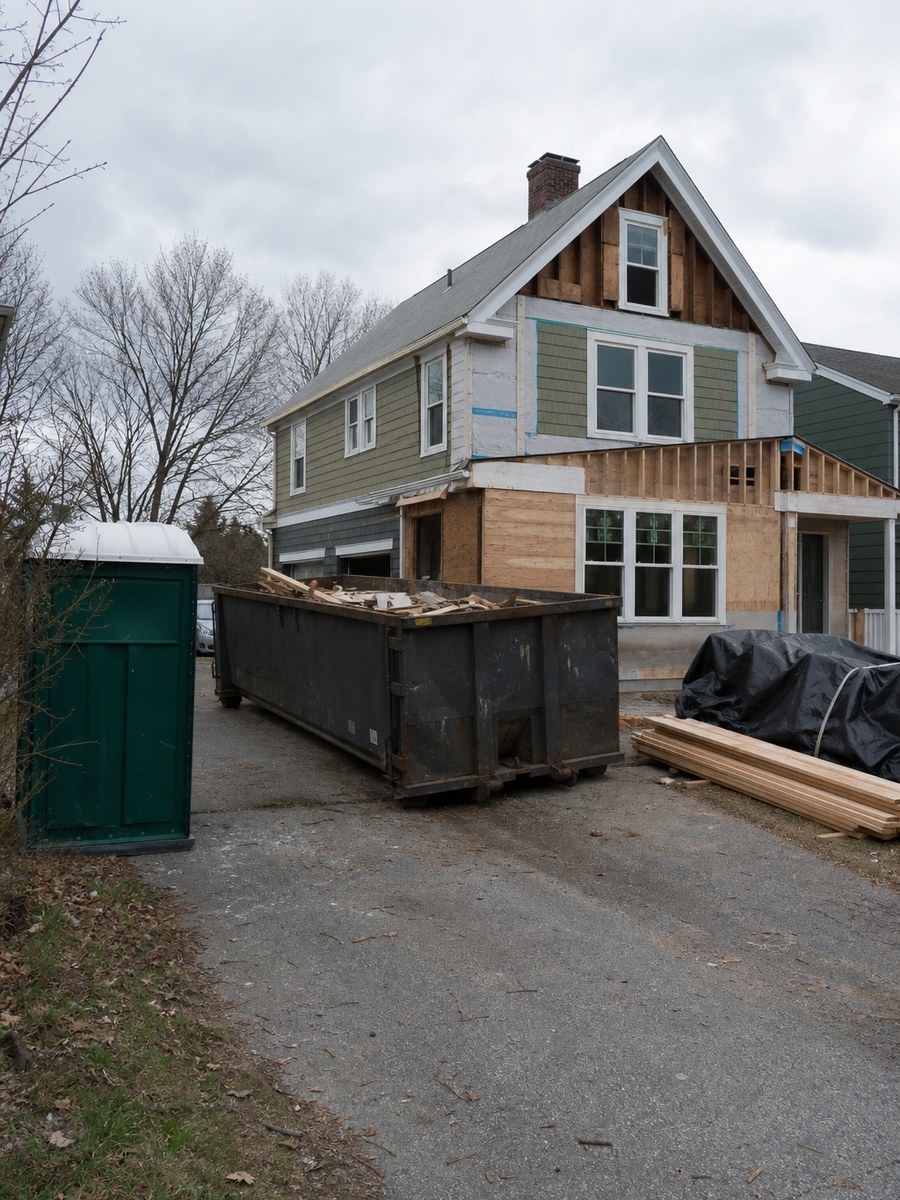
Permits, contingency, eating out, storage, window treatments, reassessment. A realistic total-cost example of a 5,000 kitchen that went perfectly.
The number on the quote is not the number you will spend. That is not a scam, and it is not always the contractor’s fault. It is that a remodel has costs that never appear on a construction estimate because they are not construction.
“What else will this project cost me that is not on this page?”
The honest list is shorter than the internet suggests and longer than most homeowners expect. At ADS Building & Remodeling we go through it before signing with clients in Buffalo Grove, Arlington Heights, Glen Ellyn, Naperville, Wheaton, and Schaumburg, because a surprise you were warned about is just a plan.
Costs That Belong to the Project but Land Outside the Quote
Permits and Village Fees
Typical: $200 to $3,000+
They vary widely between suburbs and by scope, and structural work brings engineering with it. Some contractors include permits in the quote, some list them as a pass-through. Ask which, in writing. A quote that never mentions permits is a red flag rather than a bargain.
Contingency
Plan on: 10 percent, or 15 percent in homes built before 1980
This is not padding. It is the money for what is behind the wall. On many projects it is partly unspent, in which case it becomes upgrades at the end.
Design and Selections Time
Free at some firms, billed at others. At ADS the consultation, the design conversation, and the 3D rendering are complimentary, but you should always ask, because a paid design agreement that is not explained is a common source of friction.
Costs That Are Genuinely Yours
Eating Out During a Kitchen Project
Realistic: $600 to $2,500 over four to eight weeks
The number nobody budgets. A well-set-up temporary kitchen cuts it substantially: a working refrigerator, a microwave, an induction burner, and a real sink nearby.
Storage and Moving
Typical: $150 to $400 per month for a unit, plus labor if you hire it
Furniture and belongings from the work zone have to live somewhere. A garage works for a bathroom project and not for a whole-floor renovation.
Temporary Housing, If Needed
Typical: $2,000 to $6,000 for a two to four week stay
Rarely necessary. Genuinely necessary when the only bathroom is being rebuilt or when heating is down in winter. Planning it costs less than improvising it.
Furniture, Window Treatments, and Decor
Typical: 5 to 15 percent of project cost
The most commonly forgotten line. A beautifully finished room with the old blinds and a mismatched sofa is why people feel let down at the end of a project that went perfectly.
Appliances and Fixtures, When Owner-Supplied
If the contract says appliances are by owner, that is thousands of dollars sitting outside the quote. Same for light fixtures, mirrors, and sometimes plumbing fixtures. Check exactly which items are yours to buy.
Costs That Show Up Later
- Property tax reassessment. Permitted work that adds finished square footage is generally picked up in Illinois. Kitchen and bath updates within the footprint usually have a smaller effect. Your township assessor is the authority.
- Insurance adjustment. A finished basement or an addition raises your replacement cost. Call your agent when the project finishes rather than after a claim.
- Utility changes. Modest, but a new bathroom, a wine room, or additional conditioned space all show up on a bill.
- Maintenance you now own. Steam generators, cooling units, and heated floors are equipment. Nice equipment, but equipment.
The Line Items People Mistake for Padding
Three things clients sometimes ask us to remove, and why we push back:
Dumpster and disposal. A kitchen produces multiple tons of debris. It has to be hauled and tipped, and both cost money.
Protection and daily cleanup. Floor protection, barriers, and a crew that leaves the site clean is labor. Removing it does not make the work cheaper, it just moves the cost to your weekend and your floors.
Project management. Somebody sequences twelve trades, orders material in the right order, and answers the phone. When that line is missing, the function is usually missing too.
A Realistic Total-Cost Example
A $55,000 kitchen for a family of four, staying in the house:
- Construction contract: $55,000
- Permits, passed through: $850
- Contingency, used: $3,200 (old drain line replaced once the floor was open)
- Appliances, owner-supplied: $6,500
- Eating out over six weeks: $1,400
- Window treatments and stools: $1,900
- Actual spend: about $68,850
Nothing here was a surprise except the drain line, and that is what the contingency was for. This is what a project that goes well looks like on paper.
Common Questions
Should I ask for an all-in number?
Ask for an all-in construction number, and ask specifically which non-construction items are yours. Any contractor who cannot answer that clearly is telling you something.
What if the contingency is not used?
It stays yours. On our projects contingency is spent only against a written change order you approve.
Do change orders always mean higher cost?
They mean a change. Some are credits, when a client removes scope. Every one should be priced and approved before the work happens.
Important Note
Numbers above are typical for the Chicago suburbs and vary by scope and village. At ADS the in-home consultation is complimentary, including the part where we walk through the costs that are not ours.
Getting Ready to Sign Something?
If you are comparing quotes in Buffalo Grove, Arlington Heights, Glen Ellyn, Naperville, or a nearby Chicago suburb, ask each contractor for the list of what is excluded. The comparison gets much clearer, and occasionally much less flattering to the cheapest bid.
At ADS Building & Remodeling, we provide:
- A complimentary in-home consultation and 3D rendering
- Itemized scope with exclusions stated plainly
- A fixed-price quote that doesn’t move after you sign
- Written change orders, priced and approved before any extra work begins
A budget that includes the boring costs is the one that survives the project.